Understanding How Many Inches In One Yard
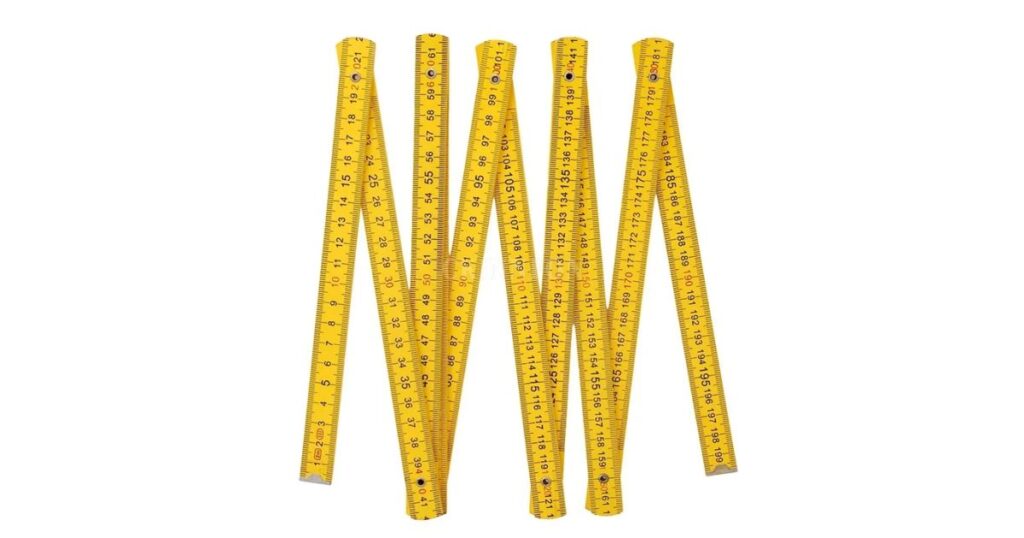
When it comes to measurements, one of the most common questions people ask is how many inches in one yard. Whether you are sewing, working on a construction project, or simply learning about conversions, knowing this simple fact can save time and prevent mistakes. Measurement units like inches, feet, and yards are part of the Imperial system, which is widely used in the United States for daily life. This article explores the answer to this question in detail, while also explaining the history, uses, and importance of accurate conversions.
The Relationship Between Yards and Inches
To understand how many inches in one yard, it is important to look at how these units are related. A yard is a larger unit of measurement, and an inch is a much smaller unit. One yard equals 36 inches. This is because a yard is divided into three feet, and each foot contains 12 inches. Multiplying three feet by twelve inches gives a total of 36.
This simple conversion is the key to solving many practical problems. Whether you are calculating fabric length, measuring a room, or cutting wood, remembering that one yard equals thirty-six inches ensures precision in your work.
Historical Background of the Yard
The yard as a measurement has an interesting history. It was first standardized in England centuries ago. Traditionally, the yard was believed to represent the distance from the tip of King Henry I’s nose to his outstretched thumb. Over time, the definition became more exact. By the nineteenth century, the yard was officially defined as thirty-six inches. Today, it is recognized as exactly 0.9144 meters in the metric system.
This historical evolution shows how practical needs shaped units of measurement. What started as a rough estimate based on human proportions has become a precise standard that is used worldwide in different contexts.
Everyday Uses of Yards and Inches
Understanding how many inches in one yard has countless real-world applications. In everyday life, people use this conversion without even realizing it. For example:
-
Clothing and textiles: When buying fabric, the length is usually given in yards, while smaller details like hems or seams may require inch measurements.
-
Sports fields: In American football, the playing field is measured in yards, but equipment sizes and adjustments may be specified in inches.
-
Home improvement: Carpets, curtains, and building materials often need precise conversions between inches and yards.
-
Gardening and landscaping: Yardsticks are still a common tool for measuring soil depth, fencing, or garden plots.
From the classroom to the workshop, these conversions form a foundation for accuracy.
Why Accurate Measurement Matters
Precision is crucial in every field that involves measurement. A small error can lead to wasted materials, financial loss, or flawed results. For instance, if a tailor miscalculates and confuses inches with yards, the garment will not fit properly. Similarly, in construction, even a single inch can change the alignment of an entire project.
Knowing exactly how many inches in one yard allows professionals and everyday people to make reliable decisions. Accuracy ensures efficiency and builds trust, whether you are sewing a dress or designing a building.
Comparing Imperial and Metric Systems
The United States mainly uses the Imperial system, where units like yards, feet, and inches dominate. However, most of the world relies on the metric system, which is based on meters and centimeters. The difference can sometimes cause confusion, especially in international projects.
To bridge this gap, conversions are necessary. One yard equals 0.9144 meters, and since each yard contains 36 inches, you can easily convert between the two systems depending on your needs. This comparison highlights the importance of being comfortable with both measurement systems, especially in global industries such as trade, manufacturing, and education.
Simple Tricks to Remember the Conversion
For many people, remembering conversions can be tricky. However, there are a few simple ways to keep the answer to how many inches in one yard clear in your mind:
-
Think of a yardstick: A standard yardstick is 36 inches long, making it a physical reminder of the conversion.
-
Use the “three by twelve” rule: Remember that a yard equals three feet, and each foot equals twelve inches. Multiplying three by twelve gives you thirty-six.
-
Practice with real-life examples: Next time you measure fabric or furniture, calculate the size in both yards and inches to reinforce the habit.
With these memory tricks, you will never forget that one yard equals 36 inches.
The Importance of Teaching Measurement
Teaching children and students about conversions like yards to inches builds a strong foundation in math and practical life skills. Early exposure to measurement systems helps them understand distances, dimensions, and proportions. Educators often use rulers, yardsticks, and classroom activities to demonstrate these conversions. This not only enhances math skills but also encourages problem-solving and logical thinking.
Final Thoughts on Yards and Inches
When people ask how many inches in one yard, the straightforward answer is thirty-six. Yet behind this simple conversion lies a world of history, practical use, and global importance. From ancient rulers to modern classrooms, the yard has been an essential unit of measurement for centuries. Understanding how to convert between inches and yards ensures accuracy in daily tasks, professional projects, and educational settings.
By mastering this basic conversion, you gain confidence in handling measurements and avoid costly errors. Whether you are sewing, building, teaching, or learning, knowing that one yard equals 36 inches will always serve you well.
Comments
Post a Comment